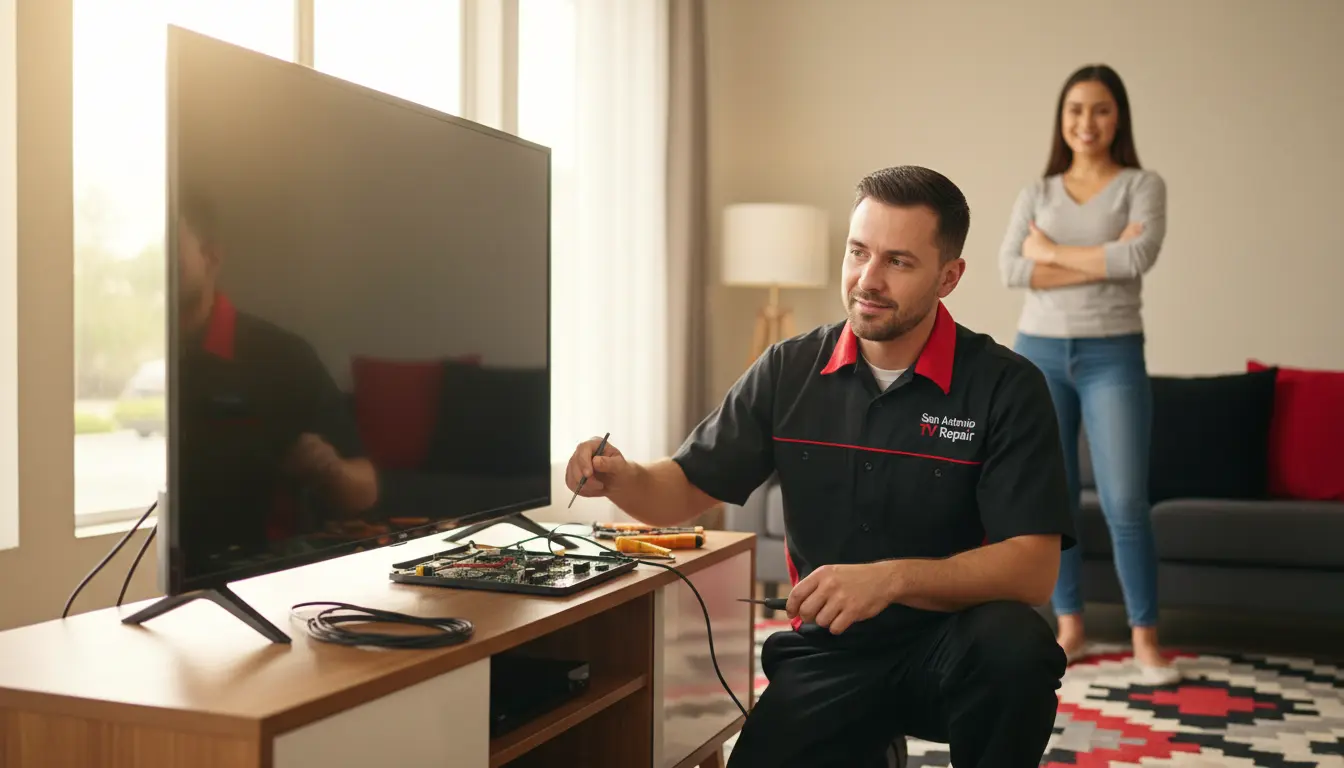
Is there anything more frustrating than settling in for your favorite San Antonio Spurs game or a binge-worthy series, only to be met with silence from your TV? No sound can turn a relaxing evening into a headache, especially in the heart of Texas where family movie nights are a staple. At San Antonio TV Repair, we’ve seen it all—from minor glitches to complex hardware failures—and we’re here to help you get your audio back on track. Whether you’re in the bustling streets of Alamo Heights or the quieter suburbs of Universal City, this comprehensive guide will walk you through troubleshooting TV sound problems step by step. Let’s dive in and restore the sound to your entertainment setup.
Understanding Common Causes of TV Sound Problems
Before jumping into fixes, it’s essential to identify why your TV might be mute. Sound issues can stem from simple oversights to deeper technical faults. Recognizing the cause saves time and prevents unnecessary stress.
Software Glitches and Settings Mishaps
One of the most frequent culprits is a software hiccup. Modern smart TVs, like those from Samsung or LG popular in San Antonio homes, can experience temporary bugs after updates. Incorrect audio settings—such as muted speakers or wrong output modes—also play a big role. For instance, if your TV is set to output sound to external devices that aren’t connected, you’ll hear nothing.
Hardware Failures
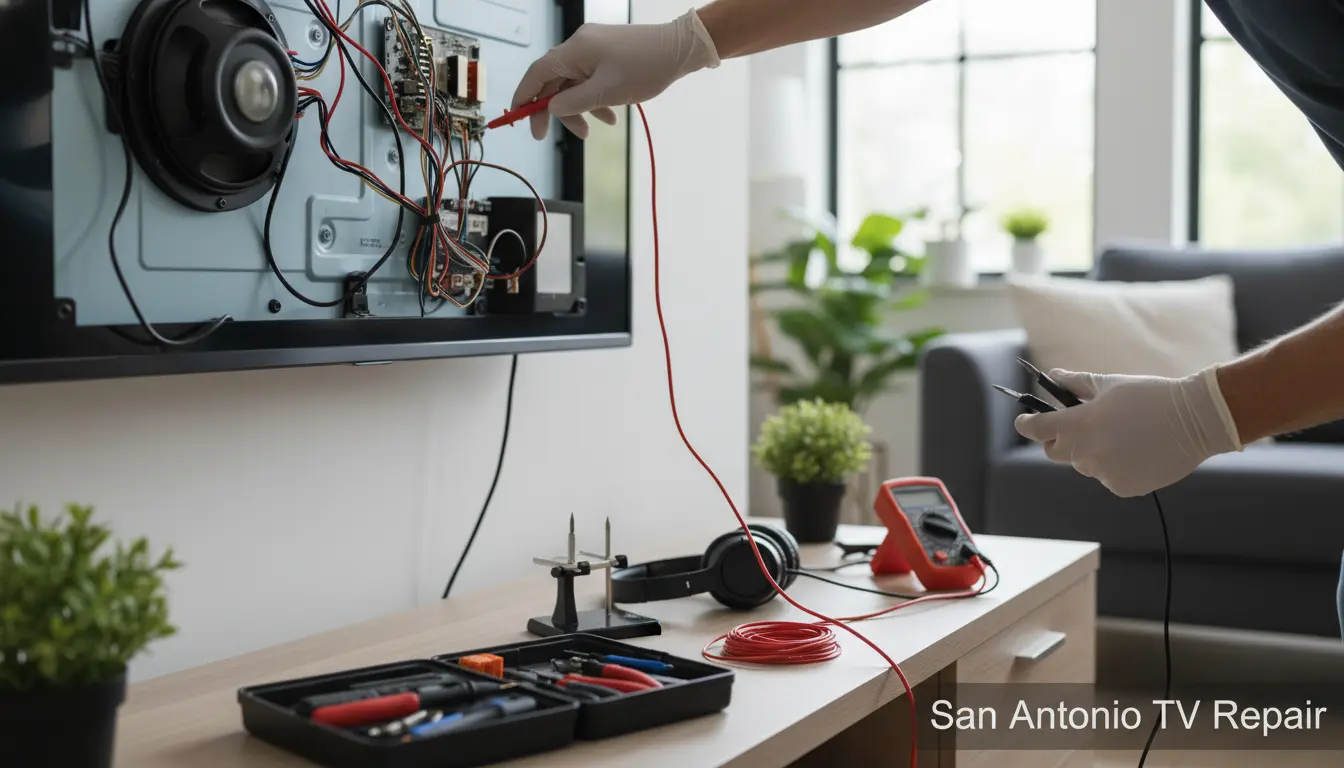
Hardware problems are more serious and often require main board repair. The main board controls audio processing, and if it’s faulty, sound signals won’t reach your speakers. Similarly, damaged speakers or loose connections inside the TV can cause intermittent or no audio. In humid San Antonio summers, corrosion on internal components isn’t uncommon, exacerbating these issues.
External Device Interference
Connected devices like soundbars, Blu-ray players, or gaming consoles can interfere with TV sound. If HDMI cables are loose or incompatible, audio might not transmit properly. We’ve repaired countless setups in Live Oak where a simple cable swap fixed the problem.
Step-by-Step Troubleshooting Guide
Armed with knowledge, let’s troubleshoot systematically. Follow these steps in order, and test the sound after each one. This methodical approach works for most flat-screen TVs, from LEDs to OLEDs.
Step 1: Basic Checks and Remote Verification
Start simple: Ensure your TV’s volume isn’t muted and is turned up. Check the remote—batteries might be dead, or it could need reprogramming. Press the volume buttons directly on the TV if possible. Also, verify that the TV isn’t set to a silent mode, like ‘Night Mode’ which reduces audio for late-night viewing in quiet neighborhoods like Hollywood Park.
Pro Tip: If using a universal remote, confirm it’s set to the correct TV code. This quick check resolves about 30% of sound complaints we hear at San Antonio TV Repair.
Step 2: Inspect Audio Settings
Navigate to your TV’s settings menu (usually via the gear icon). Look for ‘Sound’ or ‘Audio Output’ options. Ensure the speakers are set to ‘TV Speakers’ rather than ‘External Speaker’ or ‘Optical.’ Disable any audio enhancements like ‘Auto Volume’ if they’re causing distortion.
For smart TVs, restart the device: Unplug it for 5 minutes, then plug it back in. This clears temporary glitches, much like rebooting your router during a Spurs playoff watch party.
Step 3: Check Connected Devices and Cables
Disconnect all external devices—HDMI, optical cables, Bluetooth pairings—and test the TV’s internal sound. If audio returns, reconnect one by one to isolate the issue. Faulty HDMI cables are notorious; replace with high-speed ones certified for audio return channel (ARC).
If you have a soundbar, ensure it’s powered on and synced. In San Antonio’s variable weather, cables can wear out faster, so inspect for frays or bends.
Step 4: Perform a Factory Reset
If basics fail, a factory reset might be needed. Warning: This erases custom settings, so note them down first. Go to Settings > General > Reset. For advanced users, consider a firmware update service to ensure your TV runs the latest software, preventing recurring bugs.
Step 5: Test with Different Inputs
Switch inputs—try an antenna, streaming app, or USB media. If sound works on one but not others, the problem lies with the source device. For cable users in Alamo Ranch, check your set-top box settings or call your provider.
Advanced Tips for Persistent Sound Issues
If DIY steps don’t work, delve deeper. Use your TV’s diagnostic menu (hold specific buttons during power-on; check your manual) to run audio tests. Listen for subtle sounds like fan noise to rule out total speaker failure.
For older TVs, capacitor issues on the power supply repair board can affect audio circuits. Static or buzzing? It might indicate a failing audio IC chip, common in high-use environments like San Antonio family rooms.
Safety First: Avoid opening your TV yourself—high voltage risks are real. Instead, opt for in-home TV installation pros who can diagnose on-site without hassle.
Local Insight: In San Antonio’s hot climate, dust buildup inside TVs can muffle sound. Regular cleaning with compressed air (TV unplugged) helps, but for thorough service, our technicians in areas like Universal City are just a call away.
When to Seek Professional Help
Troubleshooting is empowering, but some issues demand experts. If you’ve tried everything and still face silence, it could be internal damage—like a blown speaker or board failure—that requires specialized tools. At San Antonio TV Repair, we specialize in quick, affordable fixes for all brands, from Sony to Vizio.
Don’t risk further damage; schedule a visit. We serve the greater San Antonio area, including Alamo Heights and Live Oak, with same-day options for urgent cases.
FAQ: Common TV Sound Problems Answered
Why is there no sound on my TV but the picture is fine?
This often points to audio settings, muted volume, or a disconnected sound system. Start with basic checks; if unresolved, it may need main board attention.
Can a TV software update fix sound issues?
Yes! Outdated firmware can cause audio bugs. Updating via USB or online often resolves it, but for help, consider our firmware update service.
How do I know if my TV speakers are broken?
Test with headphones or external speakers. No sound through any output? Speakers likely need replacement—common after drops or age.
Does weather in San Antonio affect TV sound?
Humidity can cause corrosion on connections, leading to intermittent audio. Regular maintenance prevents this in our Texas climate.
How much does TV sound repair cost?
Costs vary by issue—$100-$300 typically. We offer free diagnostics for San Antonio residents to give accurate quotes upfront.
Conclusion: Get Your TV Sound Back Today
TV sound problems don’t have to ruin your downtime. With this step-by-step guide, you’ve got the tools to tackle most issues yourself. From simple settings tweaks to identifying hardware needs, you’re now equipped to enjoy crystal-clear audio again—whether cheering on the Spurs or streaming the latest hits.
For those tougher fixes, trust the pros at San Antonio TV Repair. Serving San Antonio and surrounding areas like Hollywood Park and Alamo Ranch, we’re committed to fast, reliable service. Contact us today for a consultation or backlight replacement if your display ties into audio woes. Don’t let silence linger—give us a call at (877) 541-0623 or visit our site to book now! Your perfect viewing experience awaits.